Polymorphic Malware: The Rising AI-Driven Threat Security Teams Aren’t Ready For
Cybercriminals are no longer relying on static, easily detectable malware. The newest wave of cyberattacks is being powered by polymorphic malware — malicious code that constantly rewrites itself to evade detection. What used to be an advanced nation-state capability is now accessible to everyday threat actors, largely due to AI-assisted tooling and automated malware builders.
This shift marks one of the biggest offensive evolutions in 2024–2025, and the cybersecurity community needs to treat it as a top-tier threat.
What Is Polymorphic Malware?
Polymorphic malware is malicious code that changes its structure every time it runs, while keeping its core functionality the same. These changes may include:
- altering variables, function names, and instruction order
- modifying encryption keys
- mutating payload signatures
- inserting junk code
- repackaging itself in different formats
Each new variant looks unique to signature-based antivirus, making traditional detection methods almost useless. Modern threats use just-in-time mutation, generating hundreds—or thousands—of variants per hour.
What Makes Polymorphic Malware So Dangerous?
Polymorphic malware rewrites its code every time it executes—changing variable names, structure, encryption keys, and payload appearance while keeping the malicious behavior intact. The result: thousands of unique variants, each designed to slip past signature-based antivirus and legacy security tools.
Why It’s Becoming a Massive Trend
The explosion in polymorphic malware is driven by three factors:
1. AI-Assisted Code Mutation
Threat actors now have access to AI-powered tools that automatically rewrite malicious code to avoid detection. Even inexperienced attackers can generate mutated payloads at scale.
2. Automated Malware Builders
Dark web marketplaces offer “malware mutation-as-a-service,” allowing users to upload a malicious binary and instantly receive thousands of mutated variants.
3. Weaknesses in Legacy Security Tools
Many organizations still rely heavily on:
- outdated signature-based antivirus
- non-behavioral EDR
- unmonitored endpoints
Polymorphic malware slips through these defenses with ease.
How Polymorphic Malware Is Being Weaponized
Today’s attackers aren’t using polymorphism just for viruses — they’re blending it into complex kill chains:
- Polymorphic ransomware loaders
- Credential stealers that morph on every execution
- Fileless variants injected into memory
- Metamorphic phishing attachments
- Droppers that rewrite themselves before landing
Campaigns like Qilin B, Scattered Spider loaders, and modern infostealers increasingly rely on polymorphic techniques.
Real-World Impact
Polymorphic attacks are harder to detect, respond to, and remediate. Organizations report:
- higher false negatives
- longer dwell times
- greater difficulty in forensic reconstruction
- repeated reinfections
In one recent incident response case, a single infection generated over 18,000 unique variants in 24 hours, crippling signature-based defenses.
How to Defend Against Polymorphic Malware
Stopping these evolving threats requires modern, layered security:
1. Behavioral EDR/XDR
Detecting actions, not signatures, is essential:
- unusual memory modifications
- code injection
- registry persistence
- lateral movement behaviors
2. Script & Process Monitoring
PowerShell, JavaScript, and Python are common mutation hosts.
3. Zero Trust Controls
Segmentation limits malware blast radius.
4. Email Sandboxing
Most polymorphic payloads arrive through attachments or embedded scripts.
5. Threat Intelligence Feeds
Modern feeds track families, techniques, and infrastructure—not signatures.
6. Continuous Monitoring
Polymorphic malware often reappears in waves
Bottom Line
Polymorphic malware is no longer an outlier — it is the new normal in 2026’s cyber threat landscape. If your defense strategy isn’t built around behavioral detection, you’re already behind. The organizations that adapt will stay ahead. The ones relying on legacy defenses will continue to be breached.
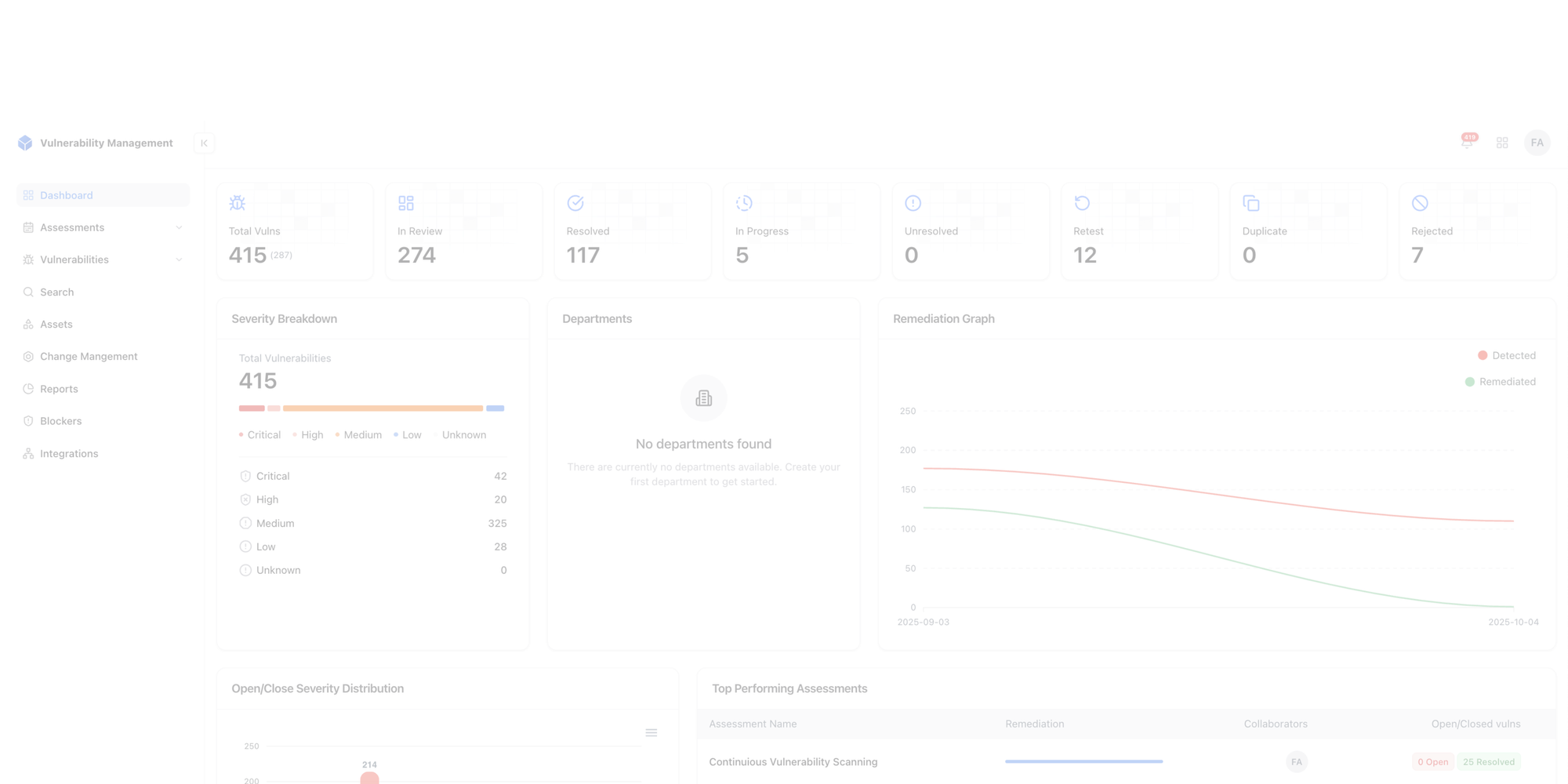
Centralise your Appsec
A single dashboard for visibility, collaboration, and control across your AppSec lifecycle.
Explore Live Demo