Cybersecurity’s Next Phase: How Snapsec Is Engineering for 2026
Cybersecurity has entered a phase where incremental improvements no longer keep pace with adversarial innovation. The perimeter did not fail—it became irrelevant. Cloud-native systems, AI-driven workflows, operational technology, and hybrid workforces have erased the boundaries that security architectures were originally built to defend.
What exists today is a dense, continuously shifting mesh of identities, APIs, assets, applications, AI models, and automated agents. Each one can either accelerate the business—or silently expand the blast radius of a breach.
At Snapsec, we see 2026 not as a continuation of existing trends, but as a structural inflection point. Over the past year, three forces have converged decisively:
- Sophisticated attack techniques becoming cheap, automated, and repeatable
- Supply chains and external exposure transforming into high-leverage entry points
- Adversaries shifting from opportunistic data theft to systemic disruption
In this environment, resilience is no longer defined by how fast teams react. It is defined by how early organizations understand where trust will fail next—and how tightly that failure is constrained.
From Perimeter Defense to Continuous Visibility
Security programs built around periodic scans and static inventories cannot keep pace with dynamic infrastructure and ephemeral workloads. The modern attack surface extends far beyond owned assets, encompassing forgotten cloud services, exposed APIs, shadow IT, third-party dependencies, and misconfigured identity paths.
Snapsec approaches this challenge through continuous visibility, not point-in-time assessments.
- Asset Inventory Management (AIM) establishes authoritative asset intelligence, mapping how systems actually connect and interact—not how diagrams say they should.
Attack Surface Management (ASM) continuously discovers and monitors internet-facing and internal exposure, surfacing domains, APIs, cloud assets, and services attackers target first.
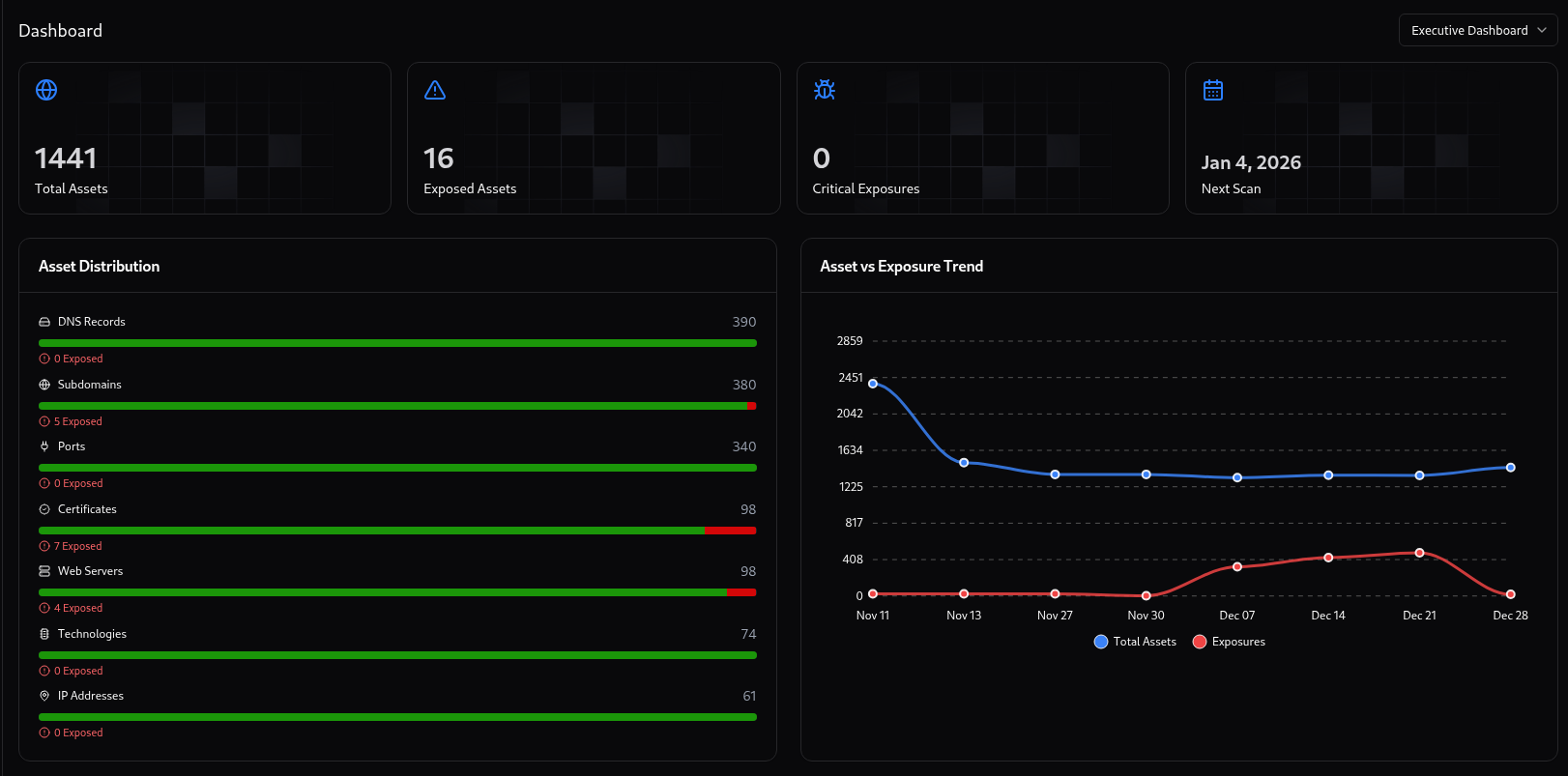
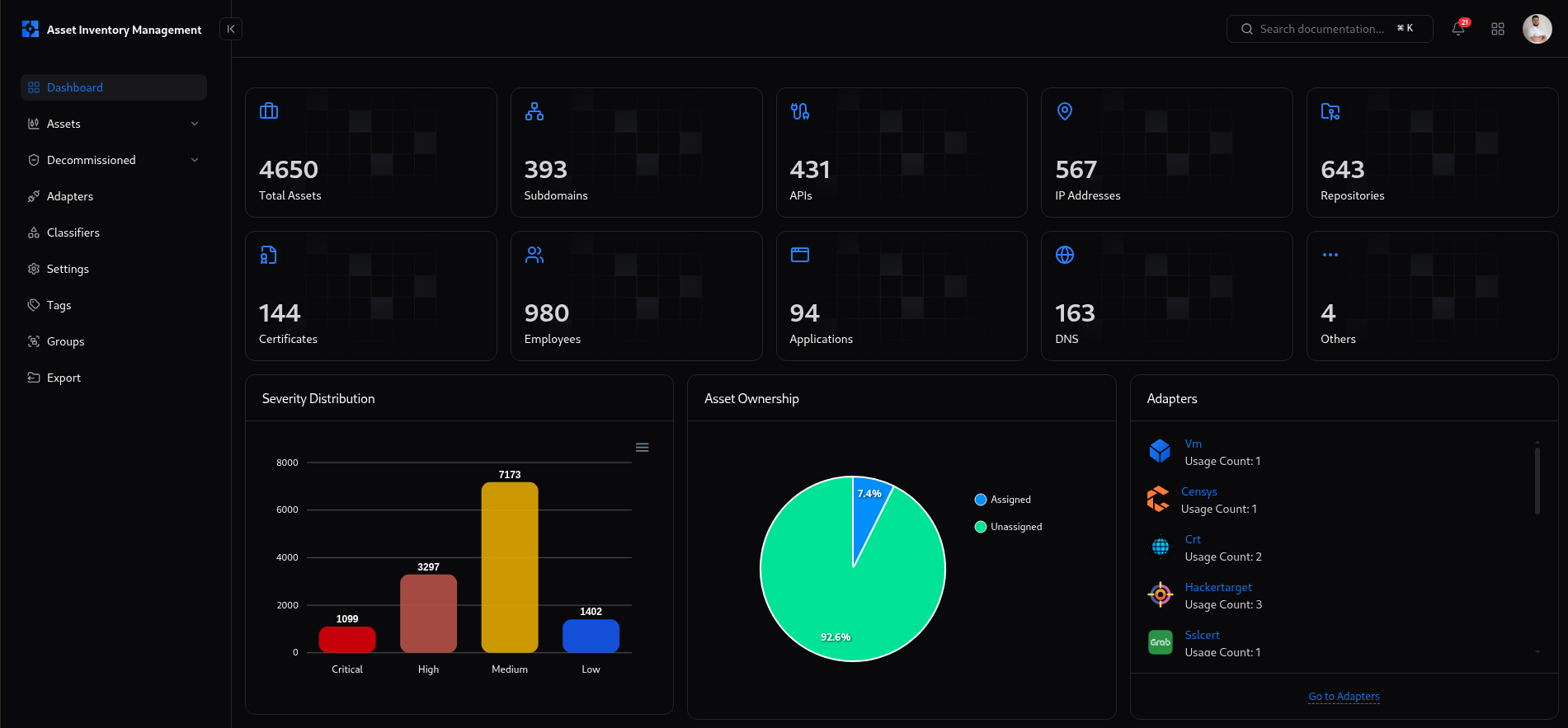
In 2026, most organizations will not fail due to missing controls, but due to incomplete understanding of what they actually own and expose.
AI Becomes the Primary Risk Multiplier
Artificial intelligence is no longer emerging—it is foundational. Attackers are already using generative AI to automate phishing, reconnaissance, malware development, and social engineering at scale. Deepfake fraud, synthetic identities, and AI-assisted lateral movement are rapidly becoming default tactics.
At the same time, enterprises are deploying AI internally—often faster than governance can keep up.
This introduces a critical shift: AI systems themselves become assets that must be secured.
LLM pipelines, prompts, embeddings, training data, and autonomous agents introduce entirely new attack surfaces. Prompt injection, model abuse, data poisoning, and unauthorized agent actions are no longer theoretical risks.
Snapsec’s Threat Modeler (TM) enables organizations to design for this reality early—mapping trust boundaries, abuse cases, and attack paths across applications, APIs, and AI components before they reach production.
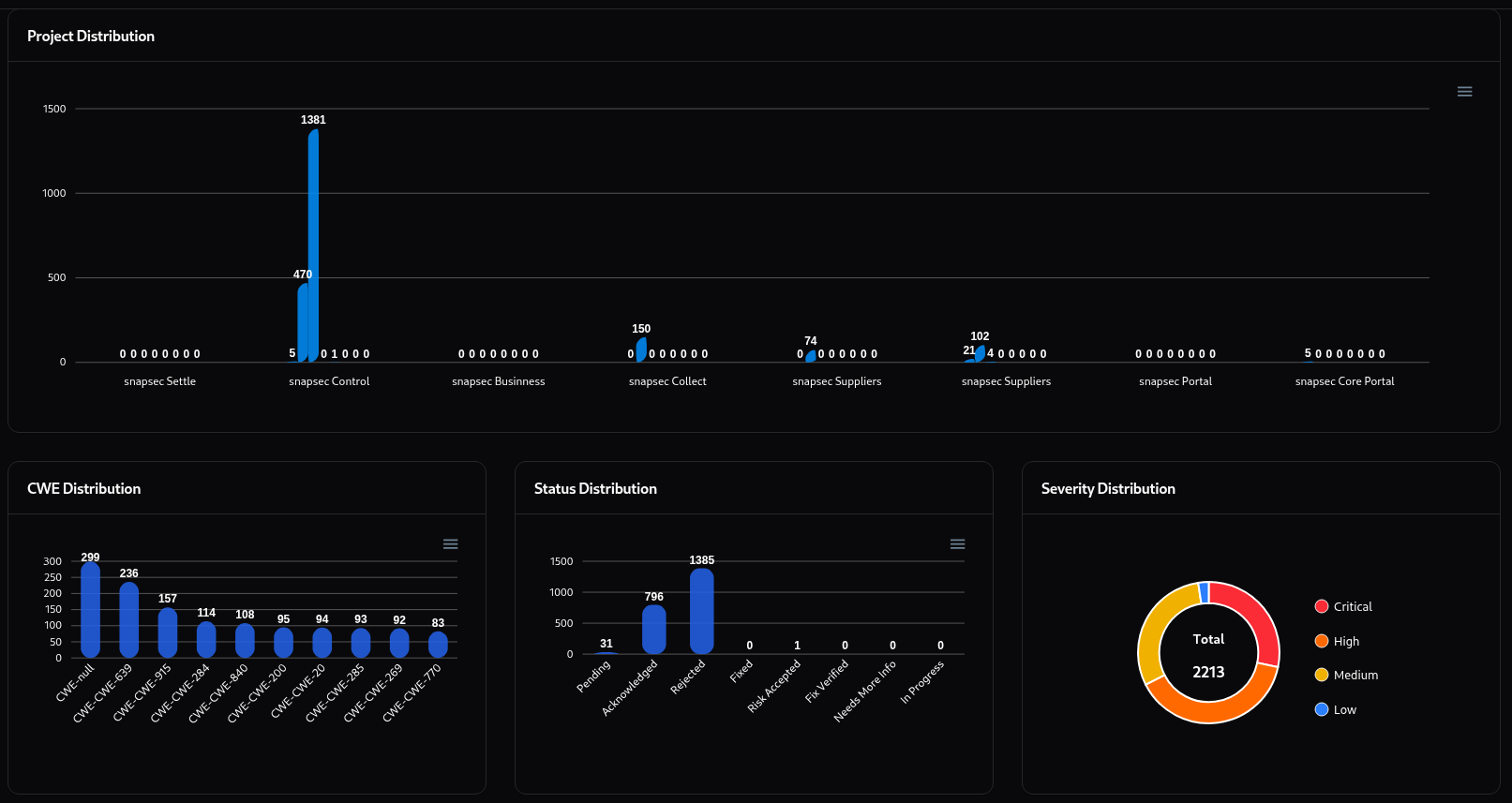
In 2026, securing AI is not optional. It is foundational.
Identity Is the New Battleground
If identity replaced the perimeter, 2026 is the year identity becomes the primary attack surface.
SSO and MFA are now baseline—but attackers are adapting. MFA fatigue, session hijacking, behavioral spoofing, and token abuse are eroding controls once considered strong. Meanwhile, autonomous SaaS integrations and AI-driven automation are creating ghost access: service accounts that persist without ownership, oversight, or expiration.
Snapsec treats identity risk as an exposure problem, not just an authentication problem.
- Vulnerability Management (VM) correlates identity weaknesses with real-world exploitability
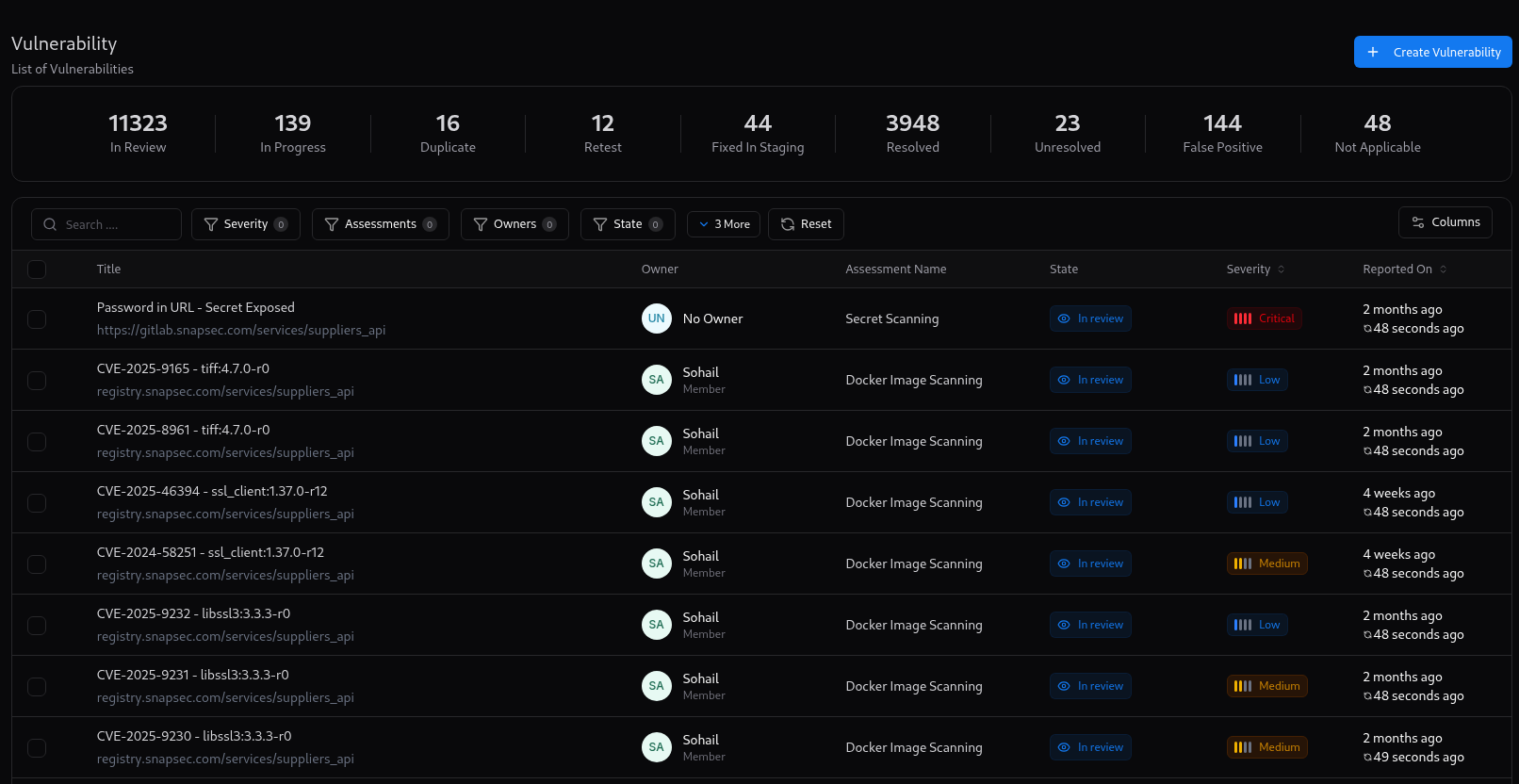
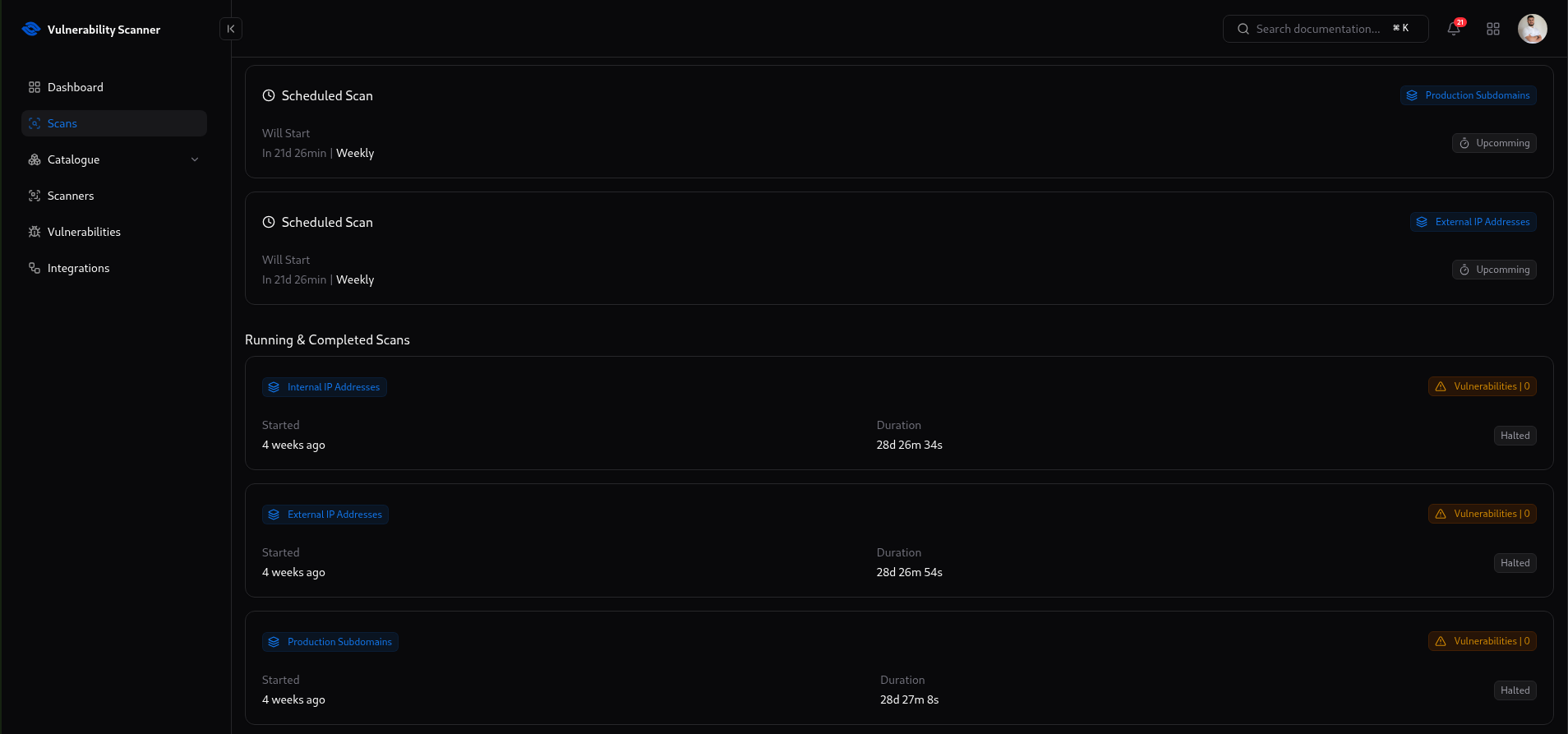
- Vulnerability Scanner (VS) identifies misconfigurations, exposed interfaces, and authentication flaws
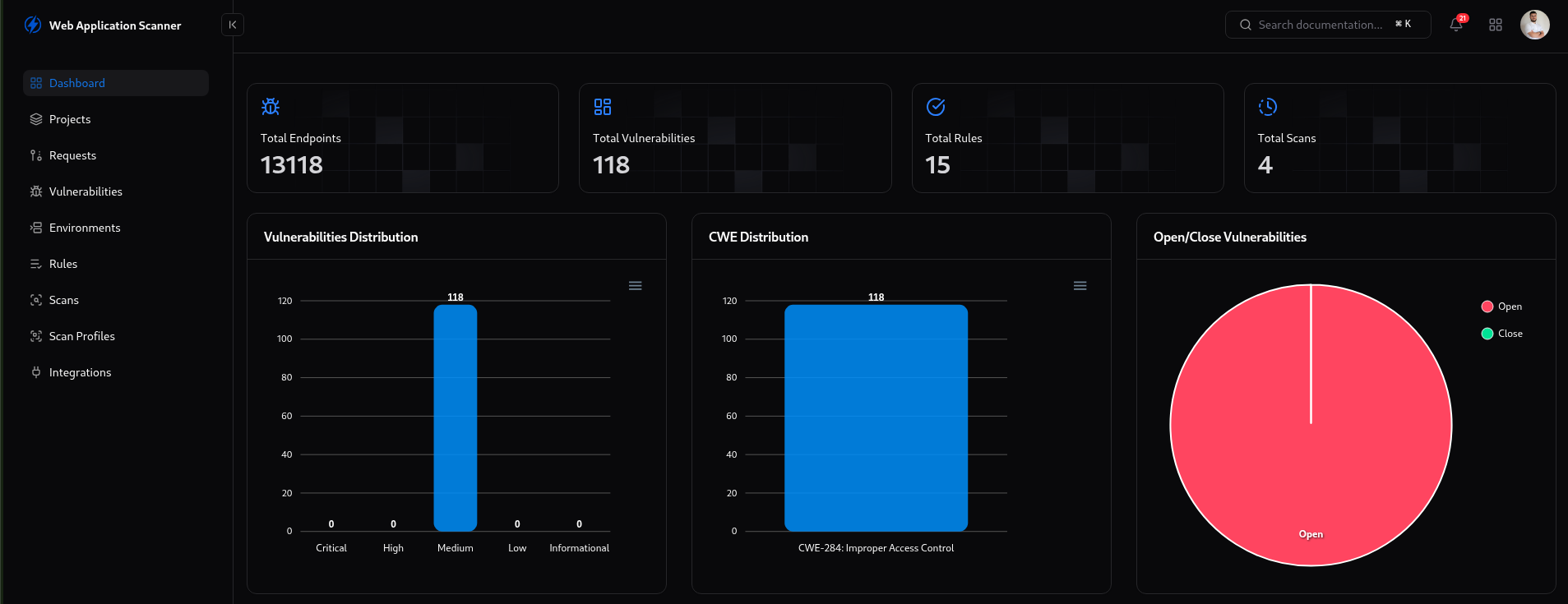
- Web Application Scanner (WAS) detects broken access control, logic flaws, and API trust failures
In 2026, the critical security question will shift from who logged in to:
What made this decision—and was it authorized to do so?
Supply Chains, Exploitability, and Systemic Risk
Modern breaches increasingly originate outside the organization—through dependencies, CI/CD pipelines, container images, APIs, and third-party services. Attackers no longer need zero-days when exposed interfaces, leaked secrets, and misconfigurations are abundant.
Snapsec’s Vulnerability Management (VM) moves beyond raw vulnerability counts to risk-based prioritization, correlating findings across infrastructure, applications, and attack surface context.
At the same time, VS and WAS provide continuous coverage across infrastructure, web applications, and APIs—surfacing exploitable paths rather than isolated issues.
In 2026, vulnerability management is no longer about patch speed alone. It is about understanding which weaknesses attackers can realistically chain into impact.
The Collapse of the Human-Only SOC
Attack timelines are compressing beyond human reaction speed. Ransomware operators already measure success in minutes. AI-assisted attackers will compress this window further by automating reconnaissance, privilege escalation, and lateral movement.
This reality is forcing a structural shift in security operations:
- From manual triage to AI-assisted enrichment
- From alert volume to context-driven prioritization
- From human-first response to human-in-the-right-loop execution
Snapsec is designed to feed high-fidelity, correlated intelligence into SOC workflows—reducing noise while increasing decision quality.
Automation without context amplifies risk. Context without automation cannot scale. 2026 demands both.
Regulation, Zero Trust, and Designed Resilience
Regulatory pressure is accelerating across AI governance, data sovereignty, supply chain transparency, and breach disclosure. Frameworks such as the EU AI Act and NIST AI RMF are pushing organizations toward operational security, not checkbox compliance.
Zero Trust adoption will continue, but many organizations will struggle to extend it beyond identity into workloads, APIs, and AI-driven decision paths.
Snapsec aligns with this shift by embedding security into architecture:
- Threat Modeling to design for failure
- ASM and AIM for continuous visibility
- VM, VS, and WAS for continuous validation
The objective is not perfect prevention—it is controlled failure.
The Strategic Reality of 2026
Cybersecurity in 2026 will not be defined by a single exploit or breakthrough technology. It will be defined by how organizations respond to a fundamental reality:
- Trust is fragmenting
- Automation is accelerating
- Human judgment, while essential, can no longer scale alone
Snapsec is built for this reality.
By unifying attack surface visibility, asset intelligence, threat modeling, vulnerability management, and continuous scanning, Snapsec enables organizations to move from reactive defense to continuous validation.
Resilience will not come from predicting every threat.It will come from building systems that remain secure when predictions fail.
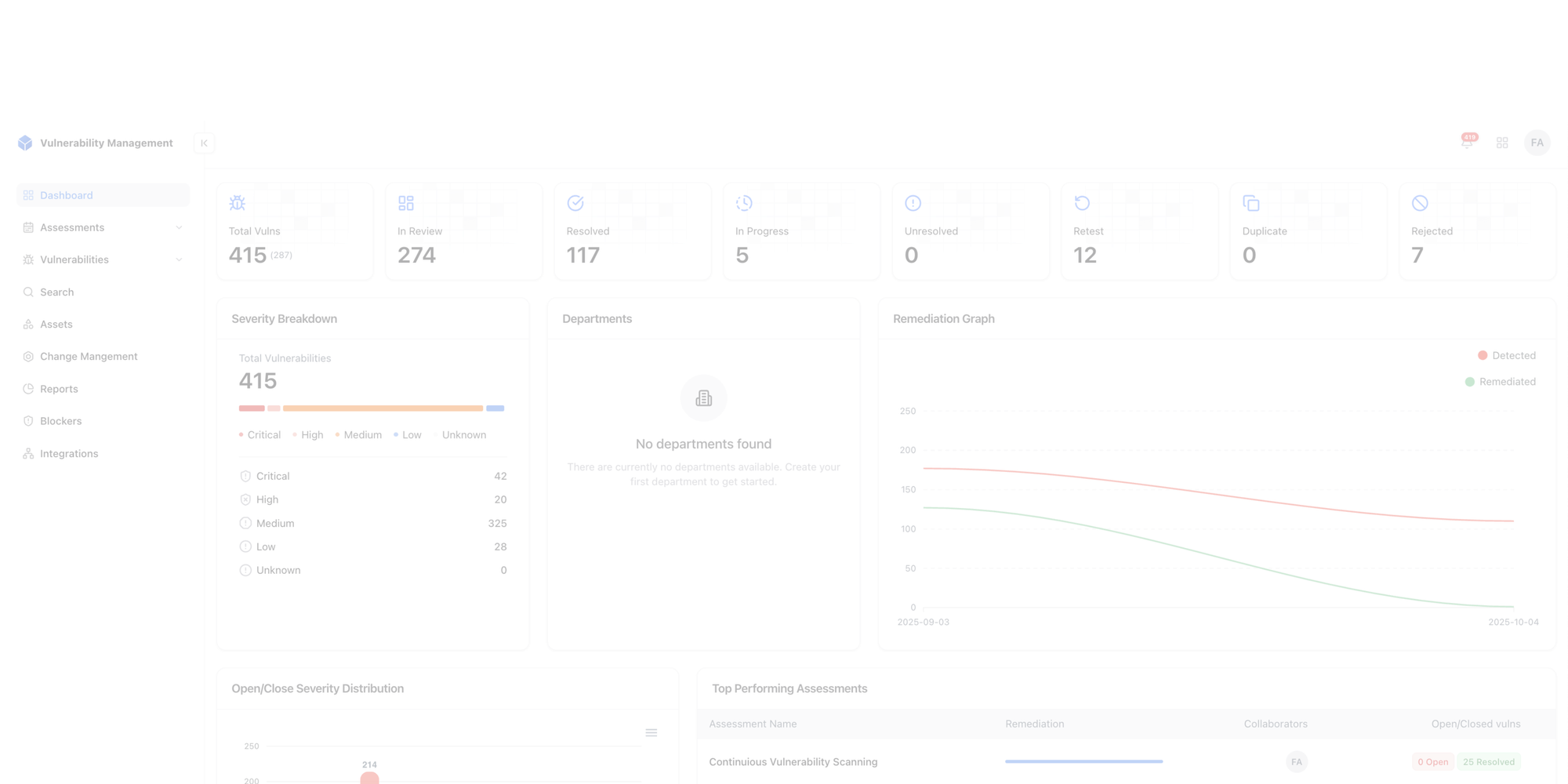
Centralise your Appsec
A single dashboard for visibility, collaboration, and control across your AppSec lifecycle.
Explore Live Demo